Stories
Expanding women’s leadership in local health systems
March 9, 2026

WP_Term Object
(
    [term_id] => 2025
    [name] => Stories
    [slug] => all-stories
    [term_group] => 0
    [term_taxonomy_id] => 2025
    [taxonomy] => news-category
    [description] => Discover the personal stories of people whose lives have been impacted by better nutrition, and those working tirelessly to deliver it, and what’s top of mind for our technical experts as they share the latest on cutting-edge nutrition research, policy updates, and implementation guidance.
    [parent] => 0
    [count] => 347
    [filter] => raw
)


Extending the value of every catch
In eastern Senegal, practical innovations are helping women fish processors reduce losses, strengthen their businesses and make more of what they already have.
Posted on March 9, 2026
In Tambacounda, a remote and arid province in Senegal, fish never arrive by chance. They can travel miles in the heat, fragile and perishable, before reaching the stalls where they are sold. For the women who sell them, every day is a gamble: sell quickly or lose. When fish remain unsold, the lost income has tangible impact. It might result in one less meal, a medical consultation to be negotiated or missed, menstrual hygiene products crossed off a shopping list, or not being able to pay school fees.
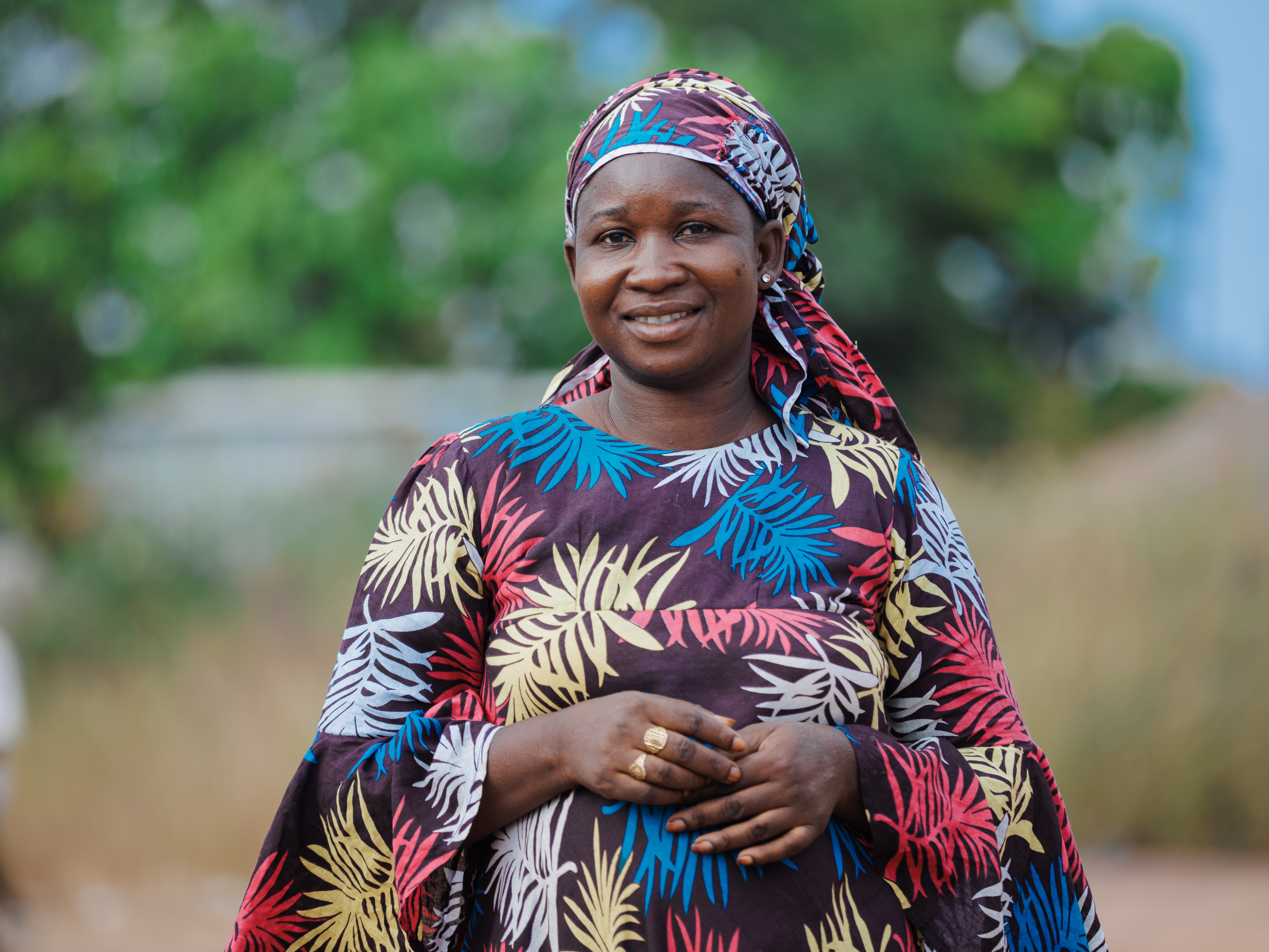
Bitty Gueye has been living with this reality for years. She is a member of the Economic Interest Association Sopey Naby, a group of women who process and sell fish. Like many others, she learned the trade on the job, with courage and resourcefulness. But despite her experience, she still too often saw some of her fish spoil in the absence of suitable solutions.
To address these challenges, the Inland Fisheries Department implemented concrete solutions under the coordination of the National Council for Nutrition Development (CNDN) and in close collaboration with the state’s technical services, through the Integrated Nutrition and Gender Project in Senegal (PINGS), implemented by Nutrition International and its partners with support from the Government of Canada.
“I have been selling fish for a long time. But with PINGS, my knowledge has greatly improved, and my performance is significantly better,” Bitty shares.
Through practical training, Bitty and her colleagues at the women’s association learned how to process and preserve fish, particularly through smoking and drying techniques and thanks to the donation of an eco-friendly and sustainable oven from PINGS. They mastered techniques and improved methods that respect the environment.
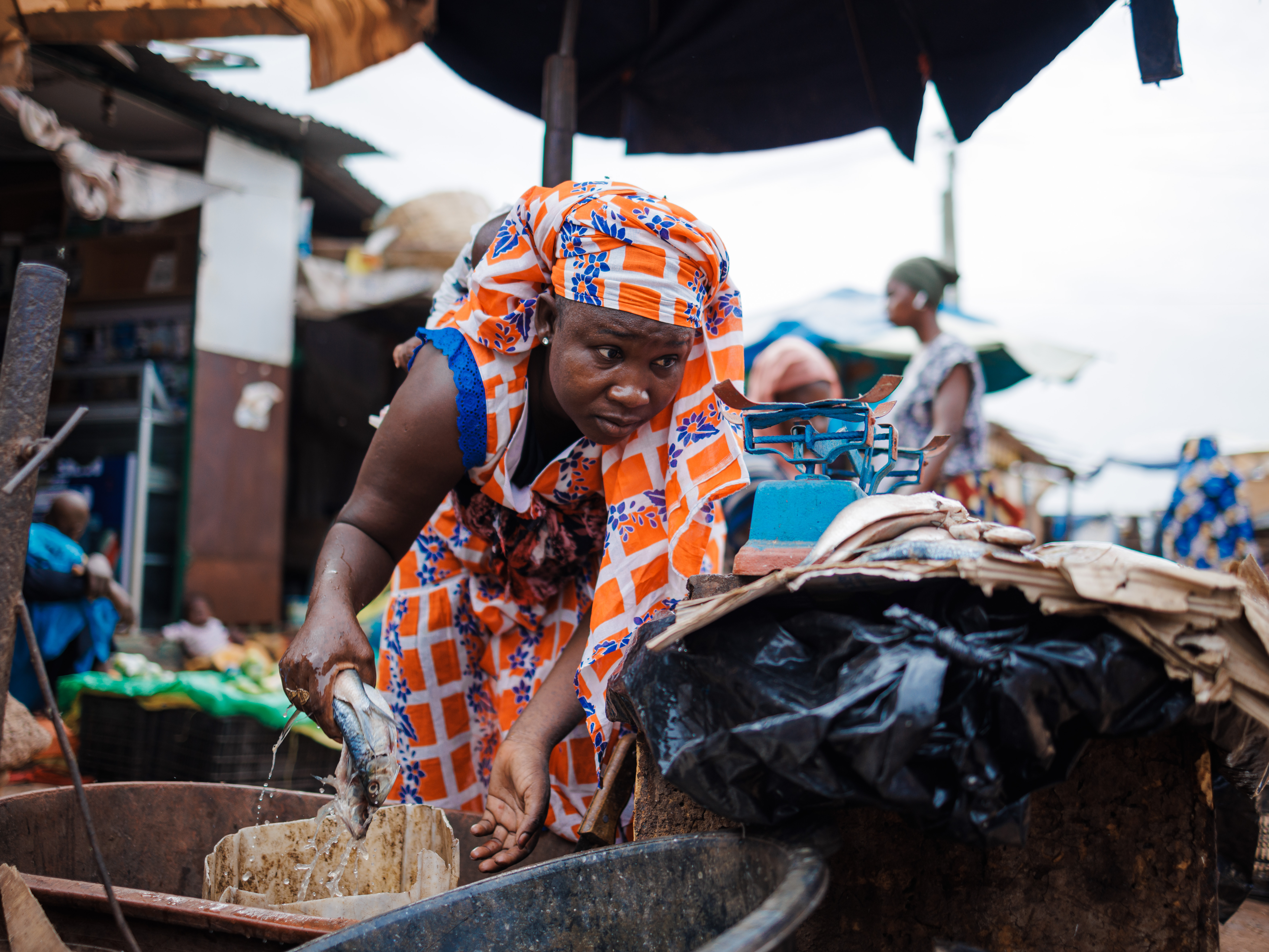
“Thanks to the training I have received, I now know what to do with my unsold fish. I have acquired the know-how to transform them into smoked or dried fish, which I can then sell,” she adds.
What was once a loss has become an opportunity. Fish is no longer thrown away: it is transformed, preserved and enhanced. But the change did not stop there. For the first time, Bitty also received support in promoting her products: presentation, packaging and small marketing touches tailored to her market.
“With a little marketing and attractive packaging, I can increase my profits.”
Today, Bitty sells more, with greater consistency and confidence. In addition, she’s helping make fish more widely available for longer in an area where nutrient-rich foods are difficult to access.
Her story is far from unique. In several regions covered by PINGS, other women working in agriculture, fish farming, fish processing and fish sales report the same changes: fewer losses, greater value and more autonomy. The innovations promoted by technical services, coordinated by the CNDN and supported by PINGS, are not complex, but they go beyond observations and theories to take concrete action alongside women.
Learn more about our work in Senegal.


Related News