News
Canada announces historic investment in the global fight against malnutrition
February 6, 2025

WP_Term Object
(
    [term_id] => 2025
    [name] => Stories
    [slug] => all-stories
    [term_group] => 0
    [term_taxonomy_id] => 2025
    [taxonomy] => news-category
    [description] => Discover the personal stories of people whose lives have been impacted by better nutrition, and those working tirelessly to deliver it, and what’s top of mind for our technical experts as they share the latest on cutting-edge nutrition research, policy updates, and implementation guidance.
    [parent] => 0
    [count] => 347
    [filter] => raw
)


10 stories that shaped our work in global nutrition this year
As we reflect upon 2025, we’re highlighting 10 stories that capture how communities, partners and governments are driving progress in nutrition for women, girls and children. Across the globe, these snapshots show what’s possible when evidence, innovation and collaboration come together to advance solutions that help people access the nutrition they need to thrive.
Posted on December 19, 2025
This year was defined by shifting realities. A tightening development funding landscape, rising food insecurity and the growing impacts of climate change continued to shape the nutrition ecosystem. Yet amid these pressures, communities, health systems and governments demonstrated remarkable resilience and evidence-based programs continued to deliver results: expanding access to lifesaving vitamin A supplementation, improving care for women and newborns, strengthening food fortification systems, helping adolescent girls to feel empowered to make good choices for themselves, and elevating nutrition on the global stage.
Here are just some of the milestone moments that inspired us in 2025 and continue to propel us forward.
From Windsor to the world: Vitamin A saves lives
In 2025, we took you behind the scenes of a manufacturing facility in Windsor, Ontario, where high-impact vitamin A capsules begin their journey. The bright red capsules produced here help protect children under five from preventable illness, blindness and death, contributing to more than seven million lives saved. Follow the Honorable Randeep Sarai, Canada’s Secretary of State for International Development, as he tours the plant and witnesses firsthand how Canadian innovation and long-standing partnerships are powering one of the most effective child survival interventions in global health.
Watch: From Windsor to the world: Vitamin A saves lives
Strengthening maternal health through MMS in Nigeria
Working closely with the Government of Nigeria and Bauchi State, Nutrition International supported implementation research to guide the transition from iron and folic acid supplementation (IFAS) to multiple micronutrient supplementation (MMS) during pregnancy. MMS delivers 15 essential vitamins and minerals in a single table and is as effective at preventing maternal anaemia as IFAS, while being more effective at preventing birth defects. Our implementation research project explored ways to improve adherence through human-centered approaches for a positive pregnancy journey overall . Visit a health centre in Bauchi State to see an antenatal clinic in action and meet the people driving this change.
Watch: Care and connection through MMS in Nigeria
The global development landscape is shifting fast, with steep cuts to official development assistance forcing countries and partners to rethink how nutrition progress will last and who will lead it. In this blog post, our President and CEO, Joel Spicer and board member, H.E. Dr. Ibrahim Assane Mayaki, make a compelling case for nutrition sovereignty — the idea that countries must reclaim control of their nutrition destiny, investing in their own systems, data and policies rather than relying on external aid. They highlight how strong national leadership, backed by real evidence, long-term planning and technical capacity, can create resilient, sustainable nutrition programs, proving that lasting change depends on local vision and ownership.
Read the blog post: Aiming for nutrition sovereignty in a post-ODA era
Food Fortification in Pakistan
Fortifying everyday staples like wheat flour and edible oil with essential vitamins and minerals is helping millions across Pakistan access the nutrition they need to thrive. This large-scale effort brings together millers, regulators and communities to ensure quality, accessibility and impact. From passing landmark fortification legislation to implementing programs on the ground, the initiative demonstrates how strong partnerships, evidence-based policy and local ownership can turn ordinary food into powerful tools against hidden hunger, improving the health of women, children and families nationwide.
Watch: The wide-reaching potential of food fortification in Pakistan
Local shops provide lifesaving diarrhoea treatment in Kenya
Local shops in Vihiga County, Kenya are becoming vital frontline health posts, giving caregivers access to lifesaving zinc and low-osmolarity oral rehydration salt (LO-ORS) co-packs to treat childhood diarrhoea episodes. This simple, low-cost treatment helps children recover faster and reduces the risk of death. Through a partnership with county governments and local businesses, shopkeepers are stocked, trained and ready to provide critical care in their communities, ensuring children get timely treatment close to home.
Watch: Improving access to treat childhood diarrhoea in Kenya
Nutrition International and the Asian Development Bank join forces to tackle malnutrition
At the Nutrition for Growth (N4G) Summit in Paris, Nutrition International and the Asian Development Bank launched a groundbreaking partnership to embed nutrition into large-scale development investments across Asia. Spanning social protection, education, agriculture and climate programs, the collaboration aims to transform major projects into drivers of improved nutrition and lasting health impact. By integrating research, advocacy and capacity building, the partnership ensures nutrition is prioritized in long-term development strategies, helping countries tackle malnutrition, strengthen health and deliver meaningful change for millions of families.
Watch: Joining forces to tackle malnutrition in Asia
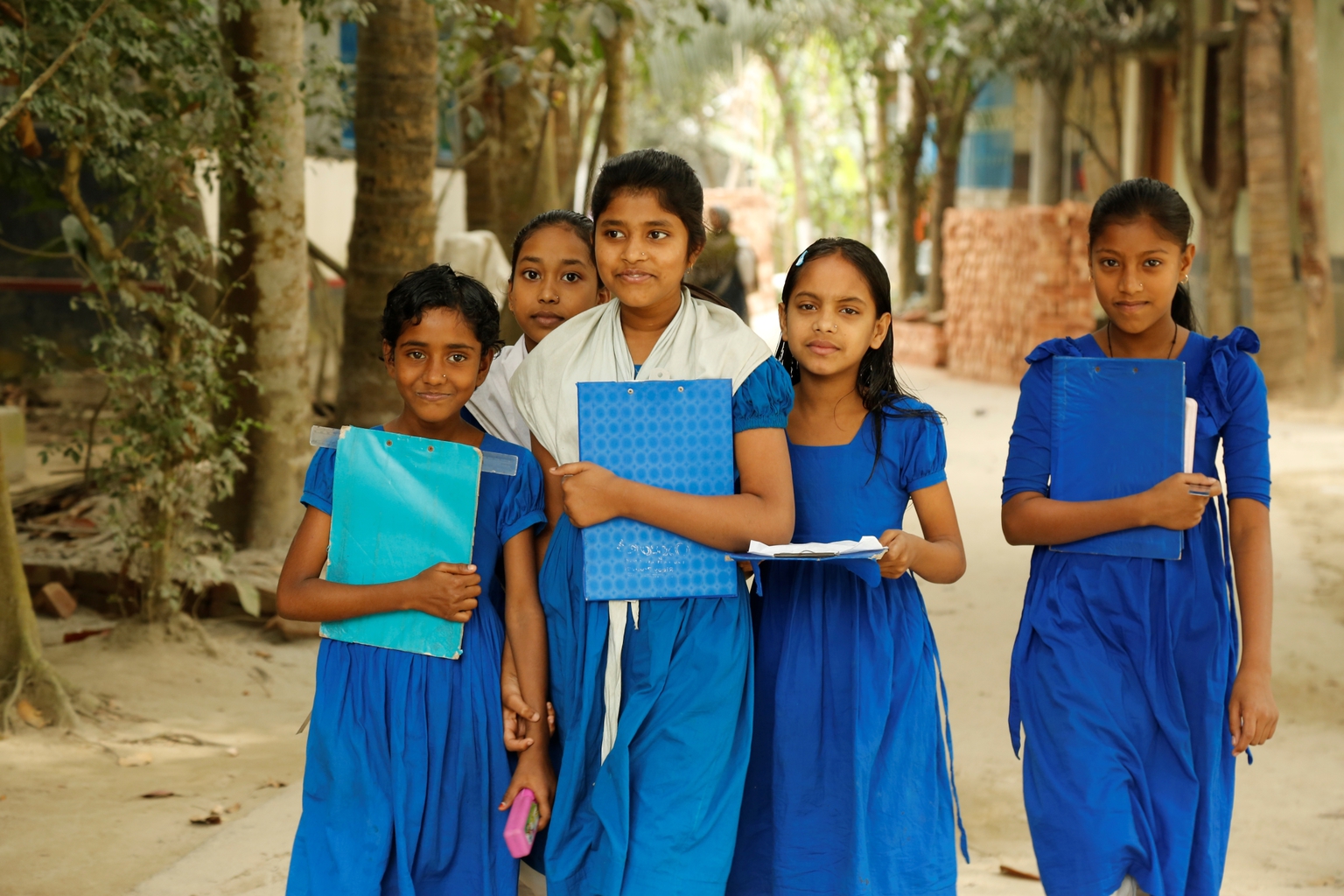
The Leveraging Social Protection to Improve Adolescent Girls’ Nutrition in Pakistan (SOPRAN) project tapped into Pakistan’s Benazir Income Support Programme to deliver targeted nutrition support for adolescent girls from the most marginalized households, using the National Socio-Economic Registry to identify families in the lowest poverty quintiles. Through this pilot initiative, girls in public schools received weekly iron and folic acid supplementation and targeted nutrition education. At the same time, local ‘chakkis’ (traditional flour mills) were strengthened to offer fortified wheat flour to their families, and a peer-to-peer education model empowered adolescent girls as agents of change, promoting healthy habits in their communities. By combining social protection with micronutrient interventions and food fortification, the program worked towards improvements in adolescent health and fostered community leadership for long-term nutrition resilience.
Learn more: Social protection for stronger adolescent nutrition
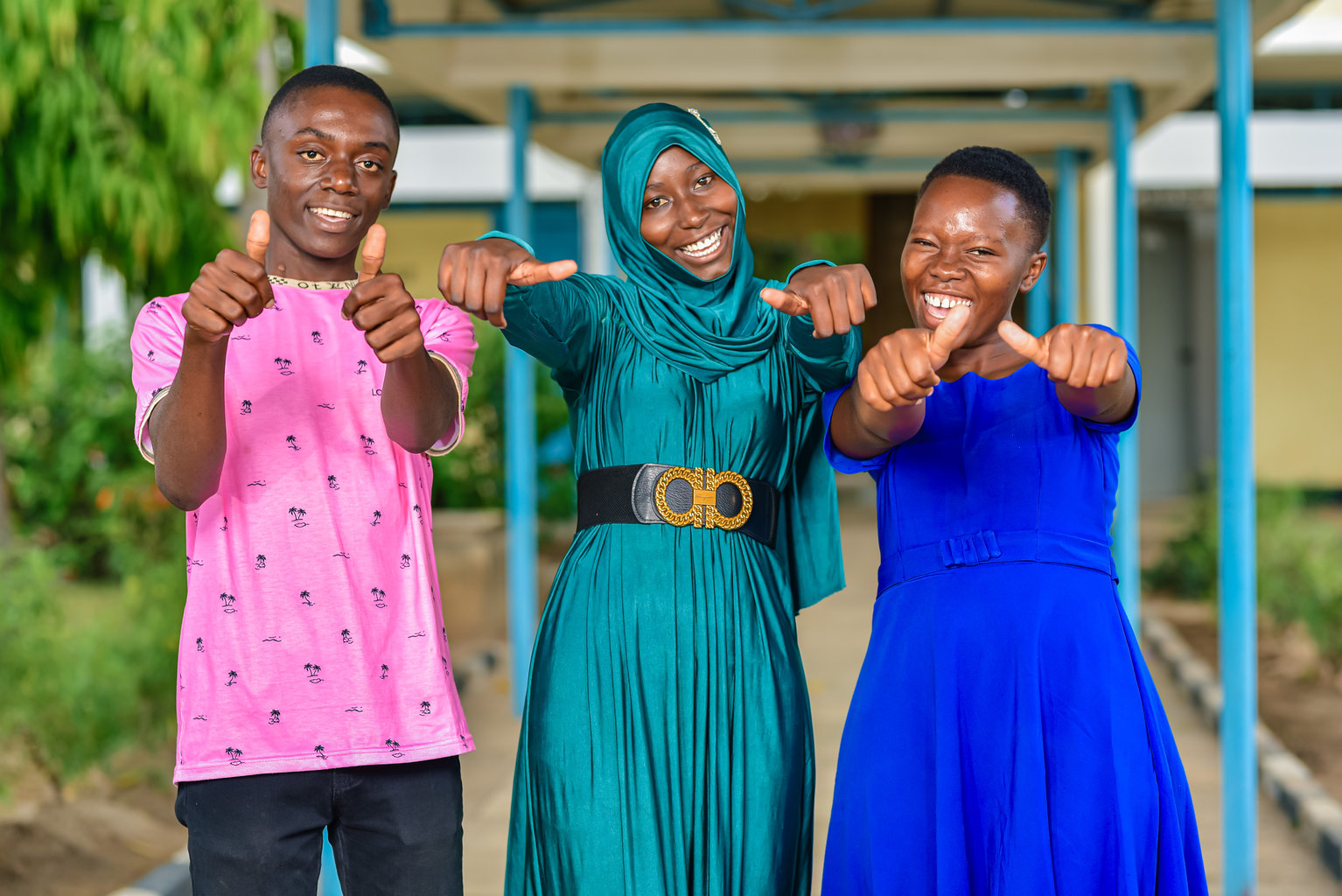
Tabora, the largest and one of the most remote regions of Tanzania, is home to a population where adolescents make up 25%, yet the area lags behind on nearly all key sexual and reproductive health (SRH) and nutrition indicators, with teenage pregnancy at a concerning 29%, early marriage affecting 58% of girls, and gender-based violence at an alarming 71%, the third highest rate in the country. The Building Rights for Improved Girls Health in Tanzania (BRIGHT) project weaves together nutrition, life skills and SRH with practical entrepreneurship skills to increase the agency and wellbeing of adolescent girls overall.
Read more: Hilda’s journey to business leader and peer educator
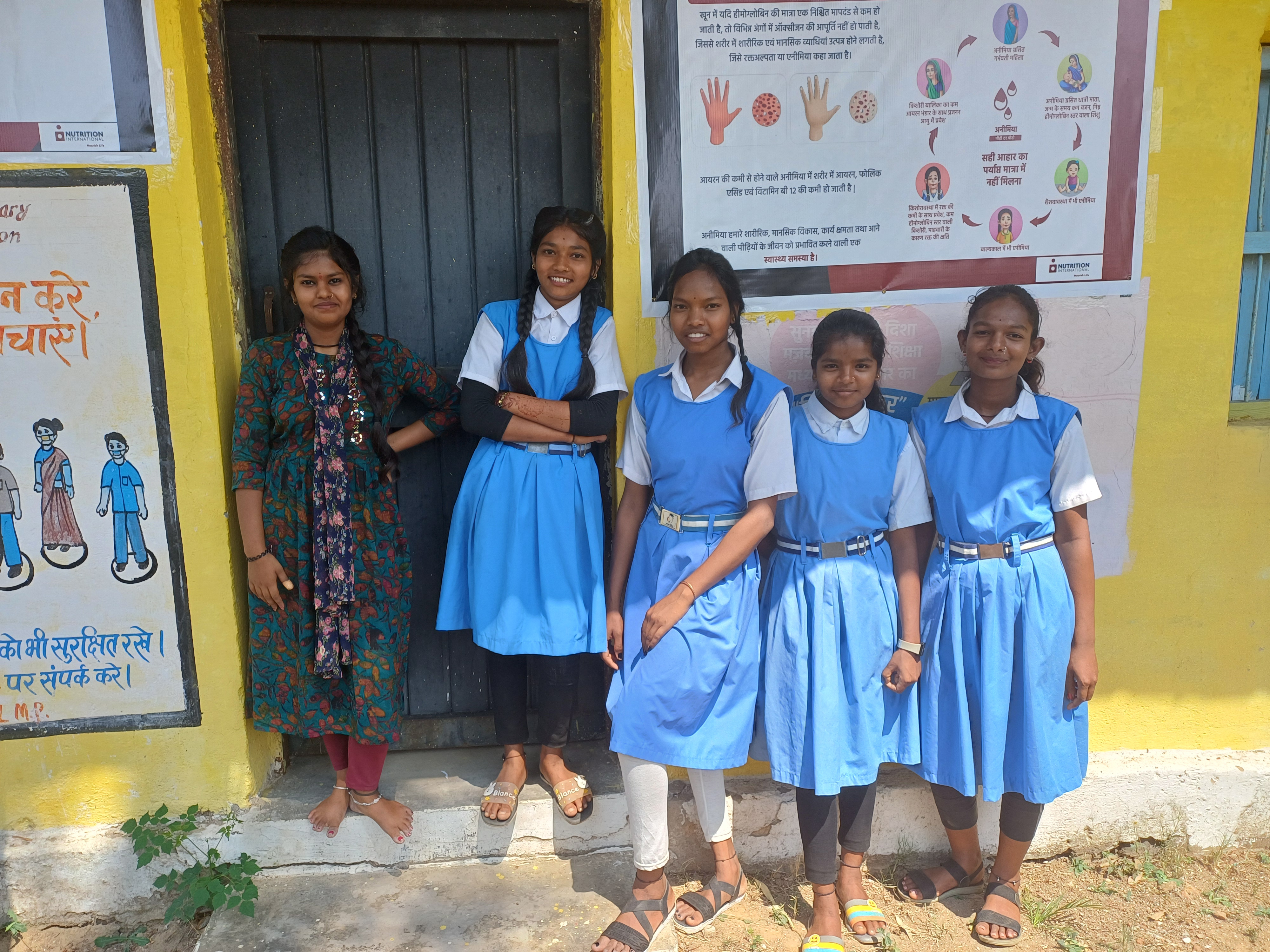
In a government school in Betul district, Madhya Pradesh, 17-year-old Sanjana isn’t just a student — she’s a health and wellness messenger who is empowering her classmates with nutrition education and peer support. Through India’s Ayushman Bharat School Health and Wellness program, she distributes weekly iron and folic acid supplements to her classmates and facilitates open discussions about anaemia, menstrual health and overall wellbeing. Supported by trained teachers and guided by technical experts, this peer-led model fosters a culture of care, connection and knowledge, demonstrating how young people can take the lead in promoting positive heath outcomes within their com
munities.
Read the story: Meet a health and wellness messenger providing peer support in India
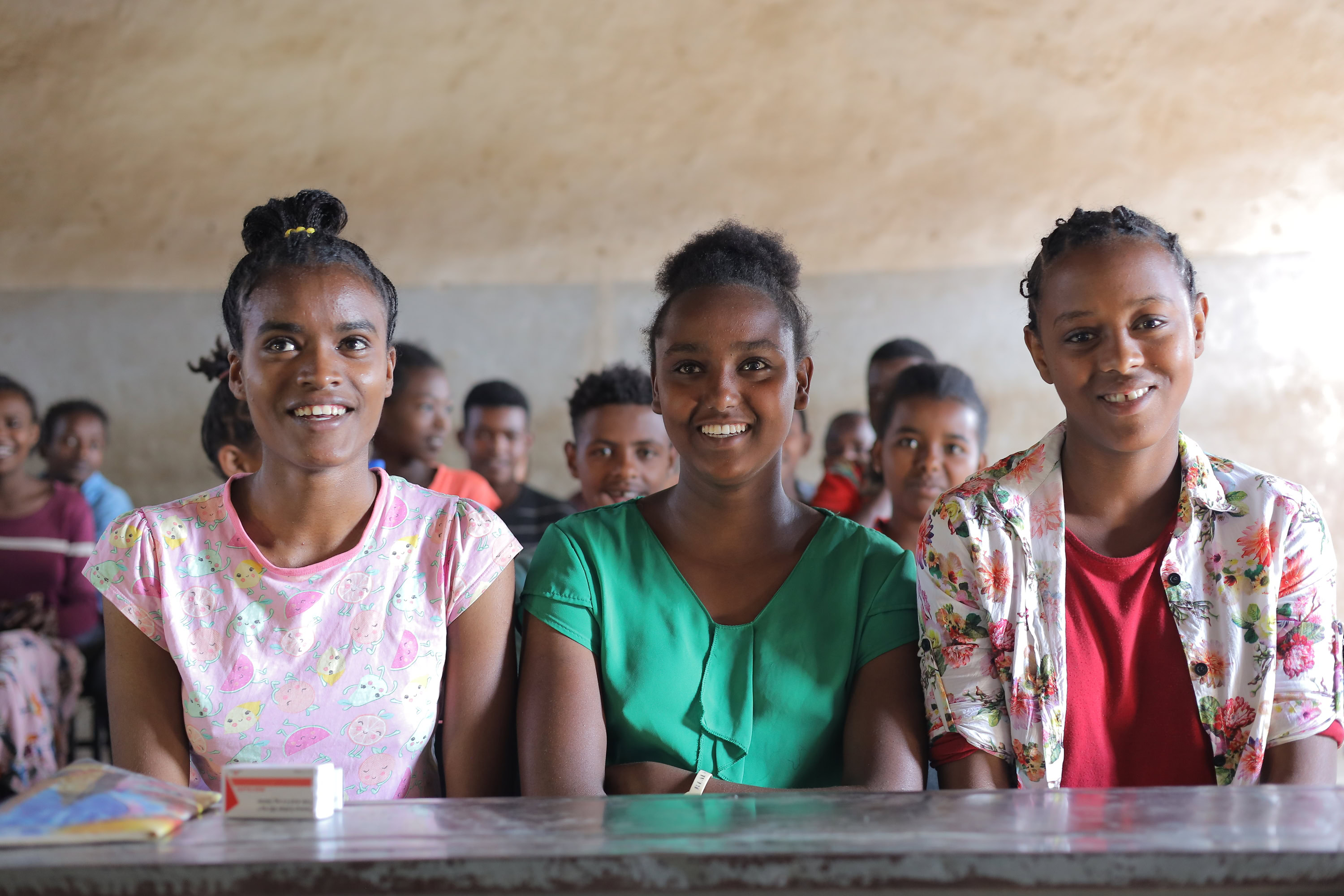
Across the continent, journalists play a key role in shaping public understanding of health and nutrition. This year, Nutrition International proudly joined the African Union to support the AU Media Fellowship — an initiative designed to elevate reporting on adolescent nutrition and spotlight the issues that matter most to young people. Five journalists from across Africa were recognized for their powerful storytelling on topics ranging from iron-deficiency anaemia to the social and gender barriers that shape nutrition outcomes. Through mentorship, technical guidance and opportunities to publish their work, the Fellowship strengthened local storytelling than can spark dialogue, influence policy and keep nutrition high on the public agenda, demonstrating the role of media in driving lasting change.
Learn more: African Union Media Fellowship Award
Some of the most important moments of the year weren’t conclusions, but beginnings. As the year closed, new conversations and alignments pointed toward the next phase of action in global nutrition.
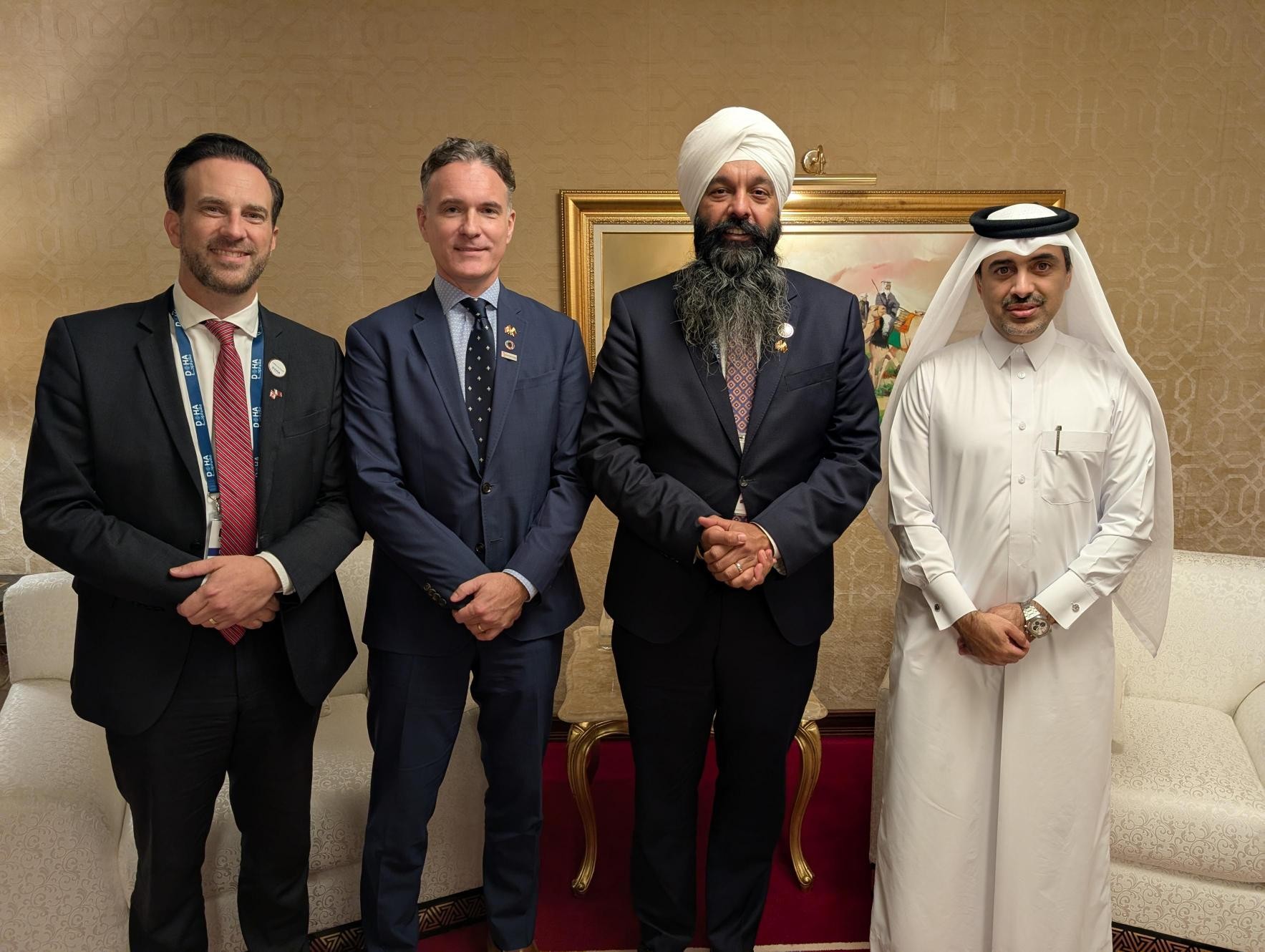
On the margins of the Doha Forum, representatives from the Government of Canada, Qatar Fund for Development and Nutrition International came together to discuss the urgent need to protect children’s lives and strengthen nutrition as a core part of child survival efforts. With under-five mortality projected to rise for the first time this century, the discussion centered on a shared ambition: ending preventable child deaths within a generation. The meeting marked a constructive step toward deeper collaboration and future action, keeping evidence-based solutions at the centre of the conversation.
Learn more: Exploring aligned action to accelerate child survival
As we enter a new year, our commitment to ending malnutrition and building healthier more resilient communities has never been stronger.


Related News