Guided by this approach, our teams continued to design and deliver gender-sensitive and gender-responsive nutrition programs grounded in evidence and practical action.
In Ethiopia, we provided ongoing technical assistance to the Seqota Declaration Program Delivery Units to deepen gender mainstreaming, focusing on embedding gender within the MEAL (monitoring, evaluation, accountability and learning) framework, reviewing key indicators and recommending improvements. We also supported gender mainstreaming within the Ethiopian Public Health Institute and the Food and Beverage Research and Development Center, facilitating a gender audit and delivering training on applying gender-responsive approaches to food fortification regulation.
In India, more than 12,000 caregivers, including mothers, fathers and mother-in-law, participated in interpersonal counselling sessions with frontline workers, helping to elevate women’s voices and decision-making power over their own health and nutrition and that of their children’s. In Bangladesh, weekly gender-responsive nutrition education sessions in schools used Nutrition International-developed resources to engage both boys and girls on 12 gender-sensitive topics, from healthy eating and anaemia prevention to menstrual health, micronutrient deficiency prevention, menstrual hygiene and early marriage. The model was expanded through adolescent clubs, where peer-led sessions under teacher supervision helped foster inclusive learning.
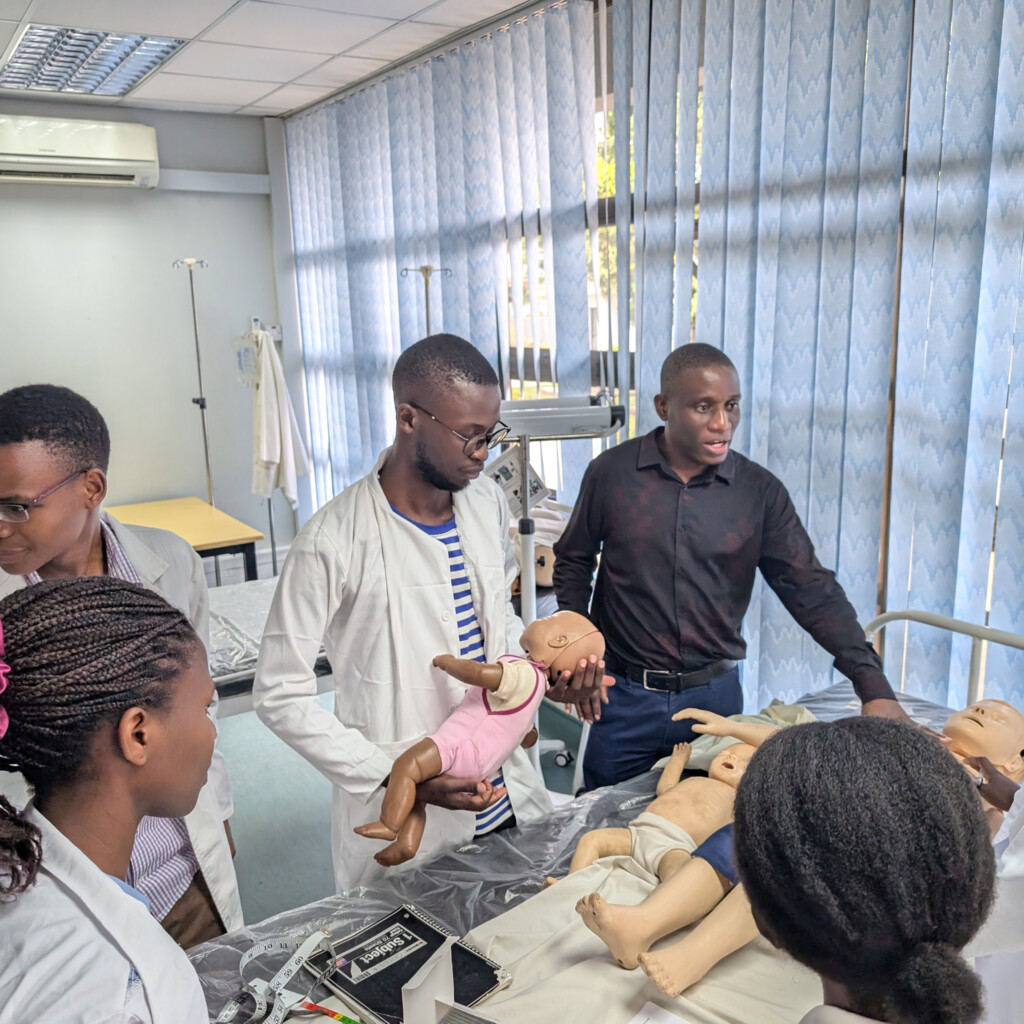
To sustain progress, we worked with governments and implementing partners across Ethiopia, Kenya, India, Nigeria, Senegal and Tanzania and to deliver cascade training on gender equality and nutrition, equipping participants to identify gender barriers, adapt services and track equitable results.