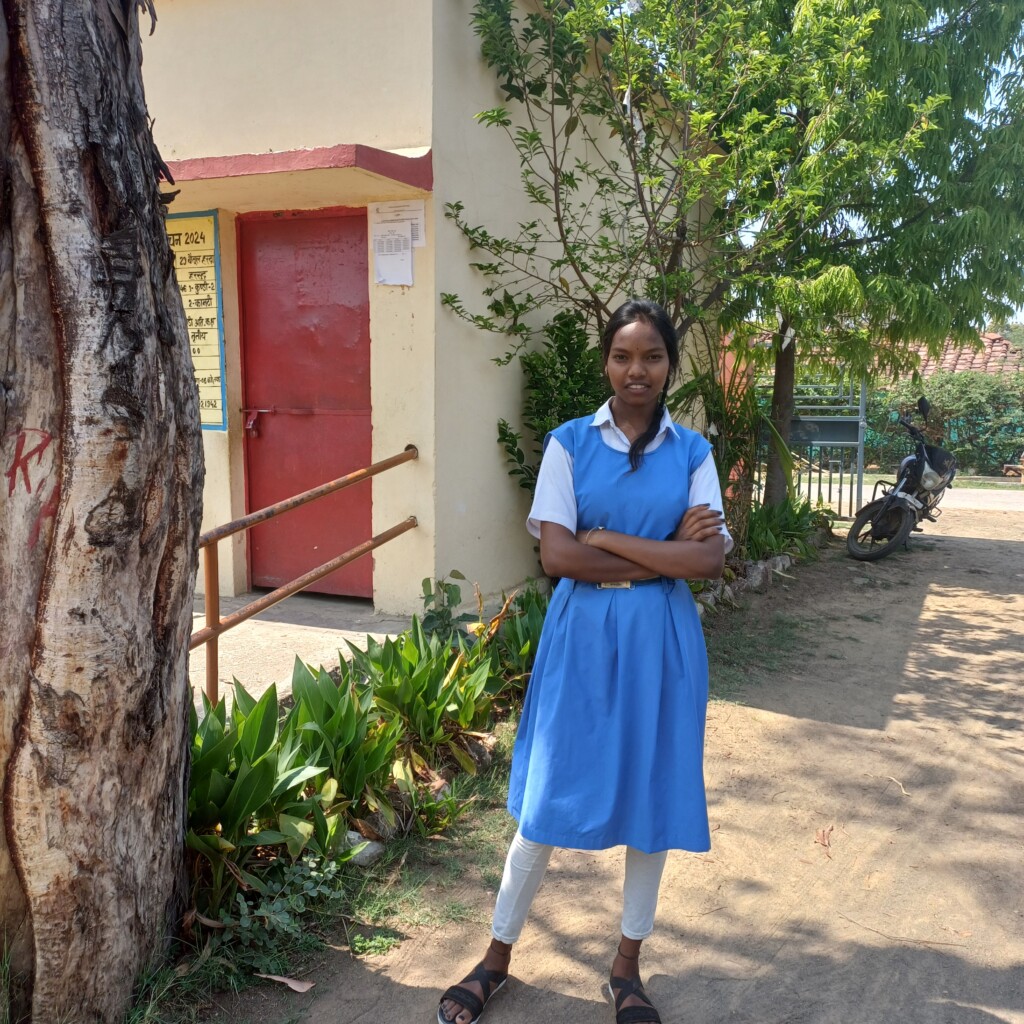
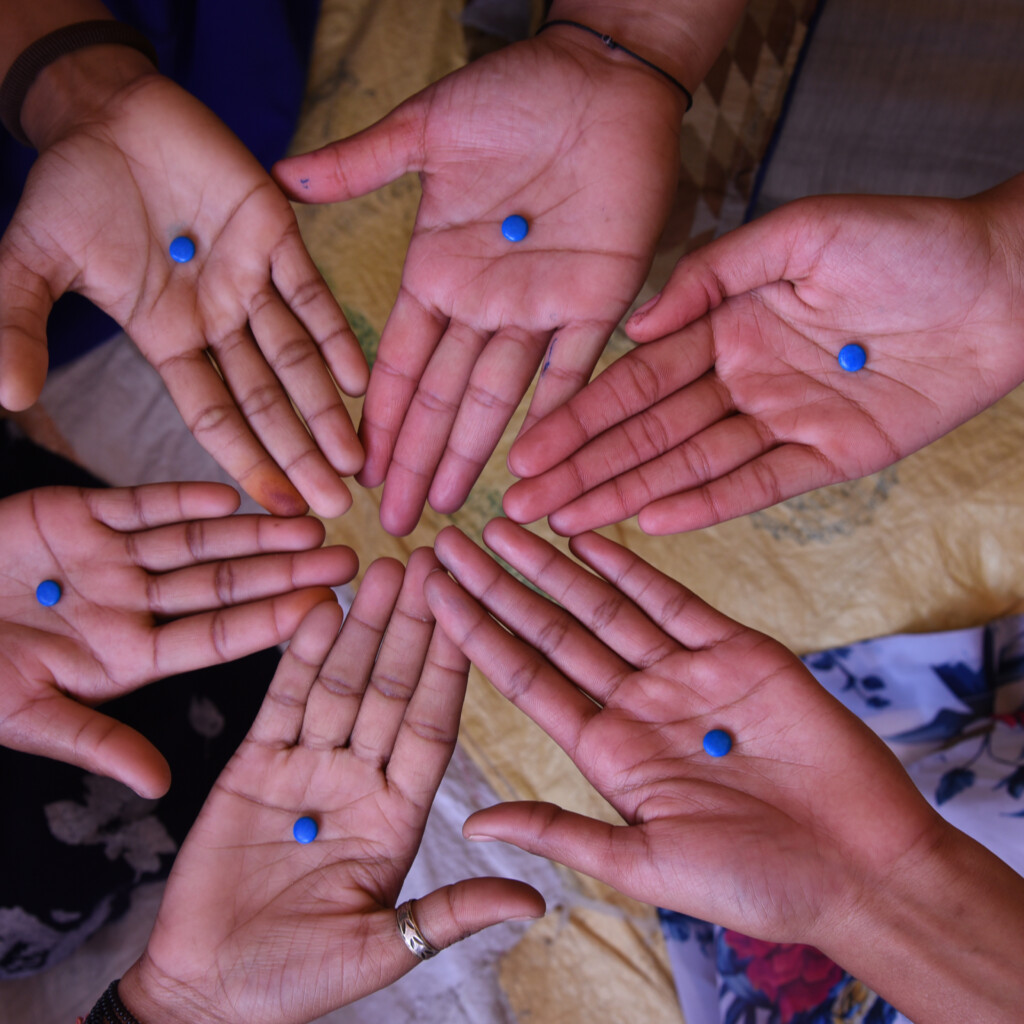
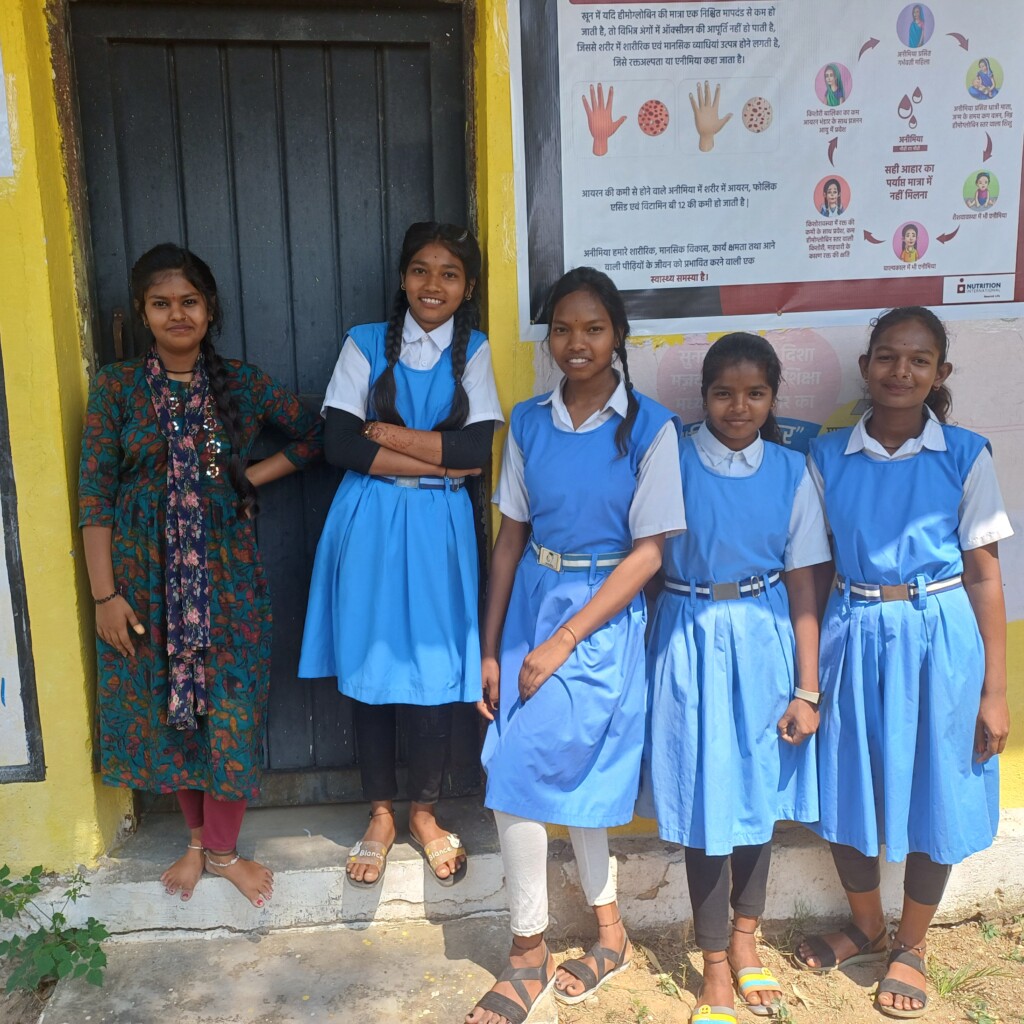
Through gender-responsive nutrition education, we equip adolescent girls and boys with the knowledge, skills and resources they need to understand their own growth and development, and to realize the lifelong benefits of improved health and nutrition. We also work to prevent adolescent anaemia through weekly iron and folic acid supplementation (WIFAS), while also addressing the broader needs of adolescents through improved access to nutrition and health education, including topics such as physical activity, dietary diversity, balanced diets, menstrual health management, growth and development, and sexual and reproductive health.
With our support, 4.6 million adolescent girls received the full scheme of WIFAS in 2024, averting over 760,000 cases of anaemia. In Bangladesh, in the absence of a national health information platform, we developed and distributed new registers and reporting forms for WIFAS, while training teachers and school staff on their use. The data collected was regularly shared with district officials, enabling timely decisions and improved program delivery of this new program. In Ethiopia, following Nutrition International’s sustained support and advocacy, the WIFAS formulation containing 60 mg of elemental iron and 2.8 mg of folic acid was added to the country’s Essential Medicines List: an important milestone towards securing a sustainable and affordable national supply for adolescent girls. We also partnered with the Forum for African Women Educationalists in Senegal to design school-based interventions that contribute to addressing gender inequalities that impact health outcomes.
In response to increased hesitancy around supplementation for adolescents in some countries, we collaborated with the Harvard T.H. Chan School of Public Health to conduct a scoping review of food-based dietary guidelines in select countries to evaluate how effectively they meet the nutritional needs of adolescents, particularly for iron. The findings will help governments weigh the potential and limits of food- and supplement-based approaches to improve adolescent nutrition. Additionally, we continued to provide technical leadership by sharing evidence from Nutrition International’s adolescent nutrition programs at international forums and key global dialogues.