Stories
Q&A: From clinical nutrition to industry leadership
March 5, 2026

WP_Term Object
(
    [term_id] => 2025
    [name] => Stories
    [slug] => all-stories
    [term_group] => 0
    [term_taxonomy_id] => 2025
    [taxonomy] => news-category
    [description] => Discover the personal stories of people whose lives have been impacted by better nutrition, and those working tirelessly to deliver it, and what’s top of mind for our technical experts as they share the latest on cutting-edge nutrition research, policy updates, and implementation guidance.
    [parent] => 0
    [count] => 363
    [filter] => raw
)


Q&A: “If a man can run an industry, a woman can too.”
In this Q&A, industry leader Fatima Shoaib shares how she entered Pakistan’s oil industry, why fortified foods matter for families and what it will take to bring more women into the workforce.
Posted on March 2, 2026
Fatima Shoaib, the first female executive member of the Pakistan Vanaspati Manufacturers Association (PVMA), is one of the few women leading in Pakistan’s edible oil sector. As director of an edible oil mill in District Malakand, Khyber Pakhtunkhwa, she is shaping new norms for women interested in working in the space. She entered the industry at a young age, following a passion shaped by years spent alongside her father at mills he operated. In a region where the industry remains overwhelmingly male-dominated, Fatima’s leadership reflects both family support and personal conviction.
Nutrition International is a long-standing partner of Pakistan’s food fortification industry. In addition to strengthening food fortification policies and process, Nutrition International is also supporting inclusive workplaces for women.
In this interview, Fatima—acknowledged for her contributions at a Millers for Nutrition Pakistan launch event—shares how she found her way into the oil industry, why food fortification matters to her personally, and how greater inclusion of women could strengthen both nutrition outcomes and livelihoods.
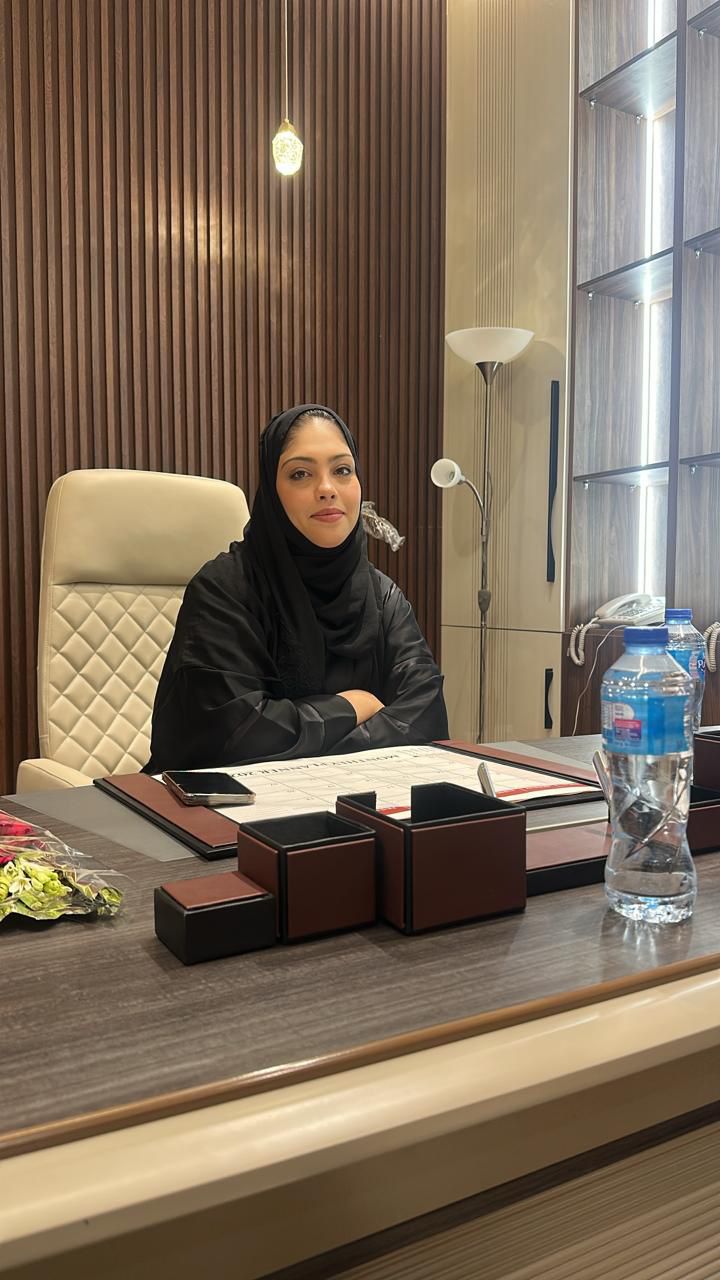
Please share a bit about your background. How did you enter this industry?
Actually, this business belongs to my father. We are six sisters, and I am the eldest. My father gifted this business to me. He used to say that I am capable of working in the oil industry. Since childhood, I was passionate about it. I often went to the oil mills with my father and would stand by the packaging machines, watching them. That is how my interest grew over time.
What does your current role look like on a day-to-day basis?
We don’t have just one mill; we have around four to five mills. My role is mainly oversight—giving direction, staying in touch with managers, and checking progress. I’m married and have two children who live nearby, so my routine is very manageable and I’m able to oversee mill operations along with family responsibilities.
This is a male‑dominated industry, especially in Khyber Pakhtunkhwa (KP). What helped you take this step?
KP is definitely male‑dominated, but my family is very supportive—my in‑laws, my mother, and my father all encourage me. My father broke many barriers. We are six sisters—three of us work in the oil industry, two in the steel industry, and one is younger. My father removed those restrictions.
Why is food fortification important to you?
Oil is a necessity in every household. If oil fortified with essential nutrients—like vitamins—comes into my home for my children, then I want fortified oil to reach every home. It is very important. People are more informed now through the internet. Whether they are educated or not, people know what nutrients foods contain and how they benefit health.
What Nutrition International is doing is really good. For example, two years ago I was vitamin B12 deficient. These issues happen because we do not get proper, nutritious food. If nutrient‑rich food reaches homes, many micronutrient deficiencies can be reduced. If children grow healthy, they are the future of our country. It gives me inner satisfaction.
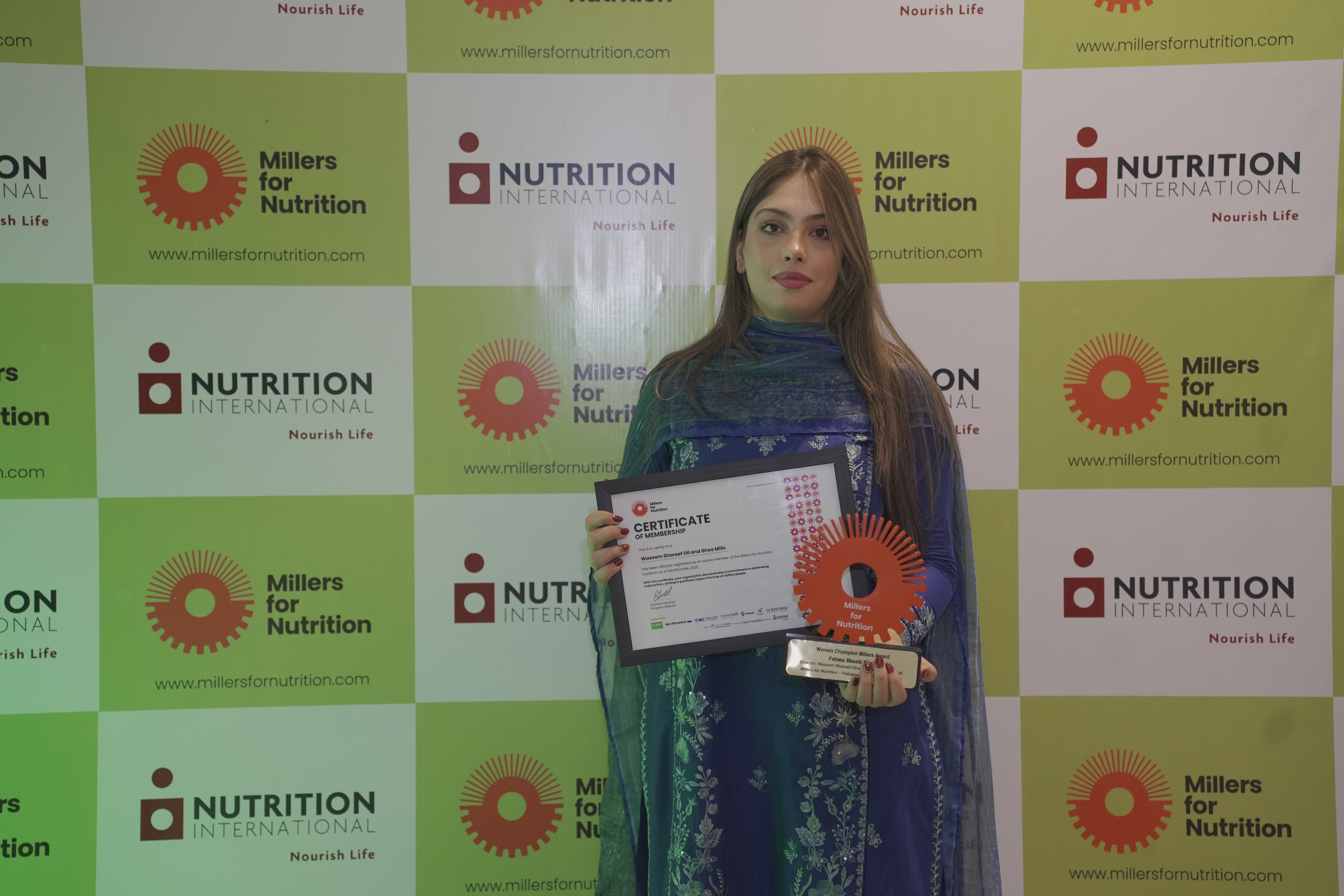
Why do you believe women should work in this industry?
Women can do anything. They can run this industry with discipline and excellence. We can bring more female workers into the industry. If you teach someone properly, she can learn everything in a few days. Women often work with focus and efficiency because their children are waiting at home. When women work, poverty can be reduced, and gender discrimination also decreases. Then it will not be said that a woman should only work at home and a man is the only breadwinner.
What advice would you give to women who think they cannot enter a male‑dominated industry?
The idea of a “male‑dominated” industry is something we have created ourselves. Through dialogue, we can convince people that women can excel in any industry. I would tell women to step out, see the world, and earn for themselves and their children. This is how poverty can be reduced and change will come. Women are capable of doing anything, and men and women are equal. If a man can run an industry, a woman can run it too—and I am an example of that.
Any final message?
We are working with Nutrition International and it is truly great work. Through edible oil and wheat flour fortification, proper nutrition is reaching people. This is a very positive thing. We are providing this for our country and that is something to be proud of.
This interview was initially conducted in Urdu. It has been translated and lightly edited for length and clarity.
This is one piece in a series on women in the food fortification industry in Pakistan. To learn more, read the round-up feature on women millers across Pakistan and the Q&A with Narjis Rubab, who’s leading the way in quality assurance and control.


Related News