Stories
When young people lead, communities listen
August 10, 2026

WP_Term Object
(
    [term_id] => 136
    [name] => Blog Posts
    [slug] => all-blog-posts
    [term_group] => 0
    [term_taxonomy_id] => 136
    [taxonomy] => news-category
    [description] => See what’s top of mind for our technical experts as they share the latest on cutting-edge nutrition research, policy updates, and implementation guidance.
    [parent] => 2025
    [count] => 149
    [filter] => raw
)


Ending violence against women: Reflections from Tanzania
As momentum builds toward International Women’s Day, our Senior Gender Equality Specialist, Sarah Pentlow, shares reflections from Tanzania, highlighting how ending violence against women is not about taking power away from one group to give to another. It is about creating households and communities free of bias, discrimination and harm, where everyone can thrive.
Posted on March 4, 2026
This post contains subject matter related to domestic violence and sexual abuse.
Rights. Justice. Action. For ALL women and girls.
The theme for International Women’s Day 2026 challenges us to envision a world where rights are upheld, justice is accessible and action is taken to ensure every woman and girl can live free from violence, bias and discrimination. Imagining that world requires confronting the realities that stand in its way. It also means recognizing that gender equality and ending violence against women are essential for improving nutrition and health. When women and girls are safe, empowered and supported, they are better able to access nutritious food, healthcare and resources for themselves and their families, creating healthier, stronger communities.
I could not have asked for a better vantage point to reflect on these issues than during a recent visit to the Tabora region of Tanzania, where I conducted capacity building on gender equality with staff and monitored activities under our BRIGHT (Building Rights for Improved Girls’ Health in Tanzania) project. Conversations about gender equality there were not abstract. They were grounded in lived experience and in the ways power, opportunity and violence shaped daily life for women and girls.
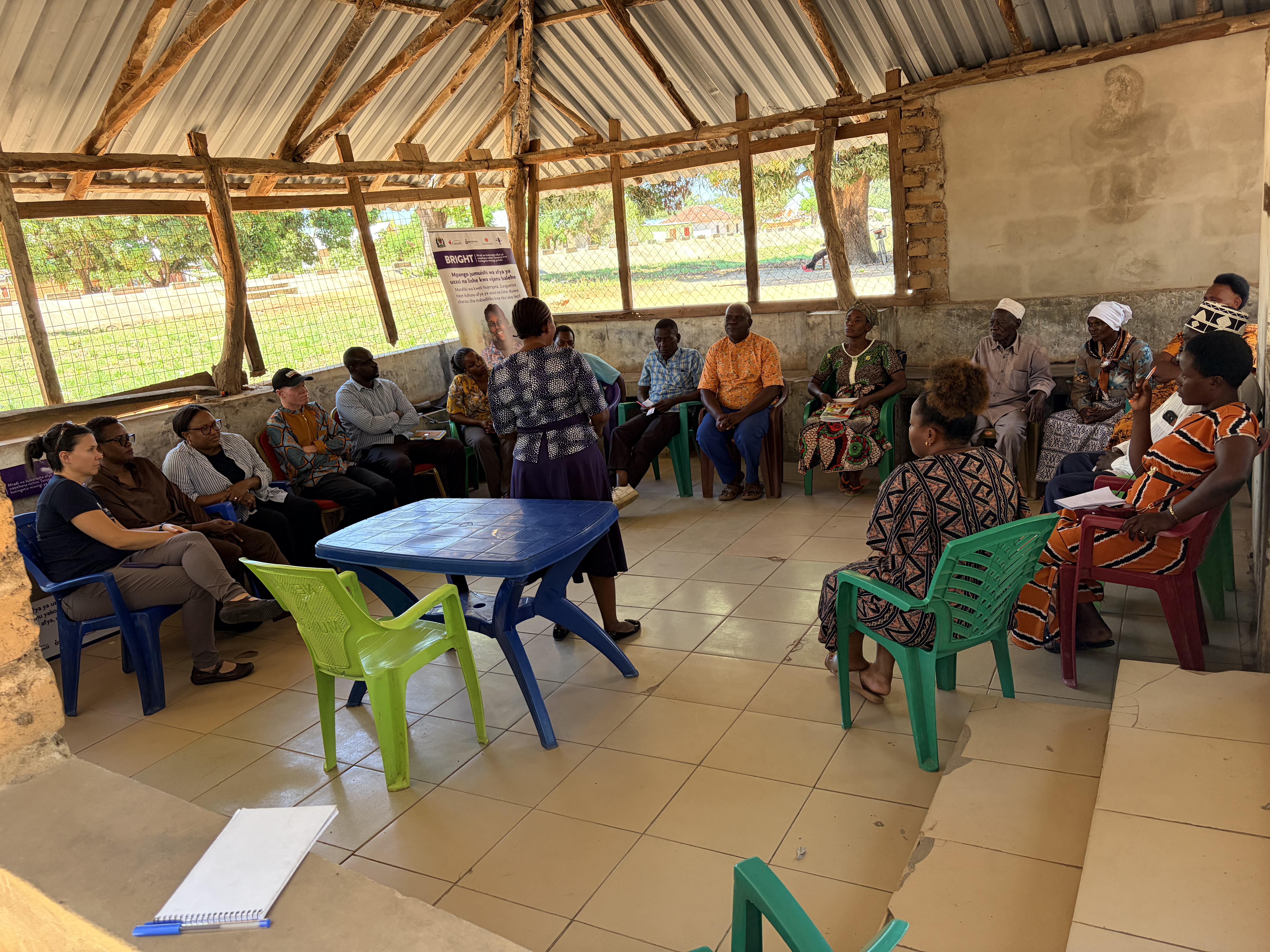
During the trip, I had the opportunity to observe a community dialogue session in one of the districts. Community and religious leaders, parents of adolescents and village executives came together to discuss the types of violence experienced in their community. A wide range of perspectives emerged. Some men expressed they felt they were on the receiving end of violence more often than women. Others disagreed, while one man acknowledged that men contributed to most of the violence in their community.
The session was the third in a four-part series that resulted in a community action plan to address the issues raised. It was encouraging to hear male participants acknowledge that they needed to become agents of change in their community and consider what they would do differently.
Several examples of violence affecting women and girls were shared, examples that will not be new to anyone who has worked in this space for any length of time: a 14-year-old girl married that week, women whose partners refused them money for simple purchases such as painkillers, and women beaten for asking for money. Participants described economic, psychological, emotional, physical and sexual violence they have observed in their community.
It was also eye opening to hear some men share what they perceived as violence against men: a wife disagreeing with them, being denied sex as a form of sexual violence or raising a child for 10 years only to be told the child was not biologically theirs.
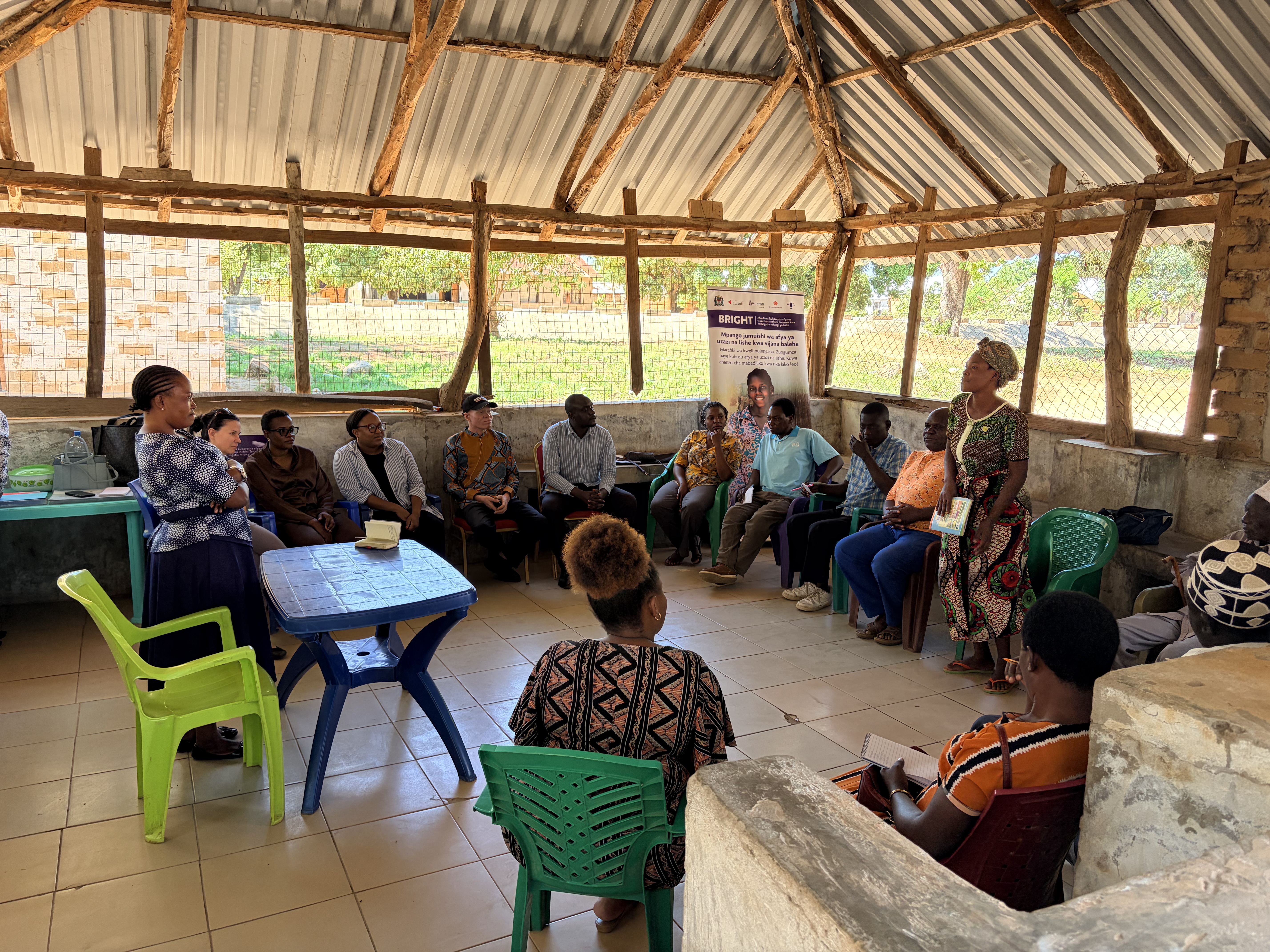
In the moment, I found myself turning to a colleague and rolling my eyes. The examples the men were mentioning did not come close, in my view, to the types of violence women endure. But, in retrospect, I find myself thinking about the men who shared these examples and what those opinions represent.
Increasingly, I heard men expressing that they felt left behind, that they perceived efforts to empower women had somehow disadvantaged them. It reminded me that we need to do a better job of helping men understand what gender equity really means in practice. Gender equality and women’s empowerment are not a zero-sum game. Creating space for women’s rights and leadership does not diminish men; it strengthens families and communities. When we give opportunity, dignity and safety, we all gain stability, health and the possibility to thrive.
We cannot talk about ending violence against women without bringing men into the conversation — and we must do so in ways that ensure they feel heard rather than dismissed. If men are unable to find safe spaces to articulate their fears, concerns and stresses, other, often harmful spaces, may validate their perceptions, fuel greater resistance and deepen inequality.
“The call to end violence against women is not about positioning women against men. It is about creating the conditions where all people have space to reach their full potential without fear, discrimination or harm.”
During the community dialogue, it took nearly 30 minutes of gentle encouragement before the female participants began sharing their perspectives. When they did, they spoke of being made to feel unintelligent because they do not earn an income. They described feeling powerless when their husbands forbade them from starting businesses and insisting they remain at home. Some women eventually began income-generating activities despite opposition. According to the women, when this happened, some husbands reacted with anger, which in some cases escalated into violence.
As a visiting guest, I had the opportunity to address the group before leaving. My challenge to them was simple: What kind of households and communities did they want? Our conversations made it clear that meaningful change must be grounded in care, respect and shared responsibility rather than recurring conflict. The challenge, as many noted, is how each of us acts to turn those values into reality.
The call to end violence against women is not about positioning women against men. Nor is it about women “overpowering” men. It is about creating the conditions where all people — women, men, non-binary, and transgender individuals — have space to reach their full potential without fear, discrimination or harm.
Imagining a gender equal world means confronting the biases, stereotypes and violence that prevent that vision from becoming a reality. When communities choose respect over control and equity over exclusion, they do not lose power. They gain stronger relationships, better health and brighter futures for everyone.
Learn more about Nutrition International’s work in gender equality.


Related News