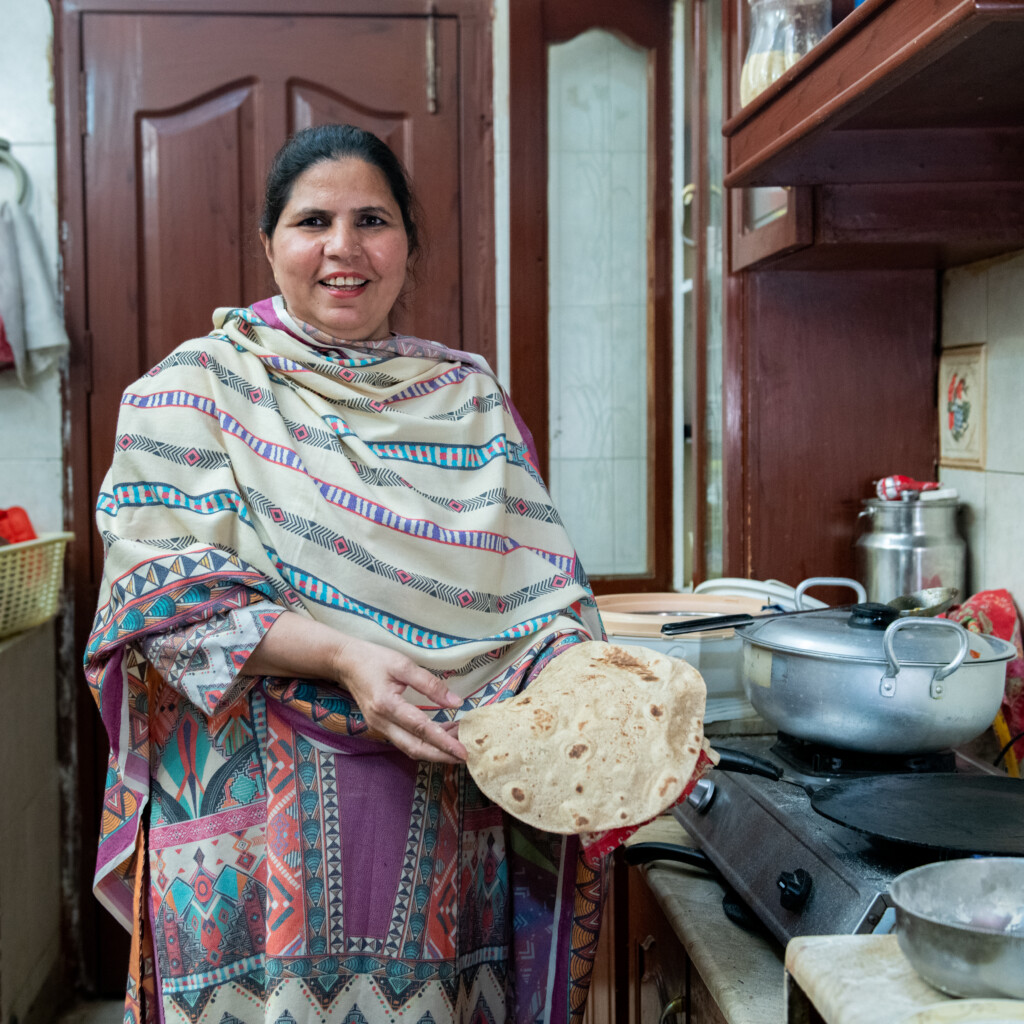
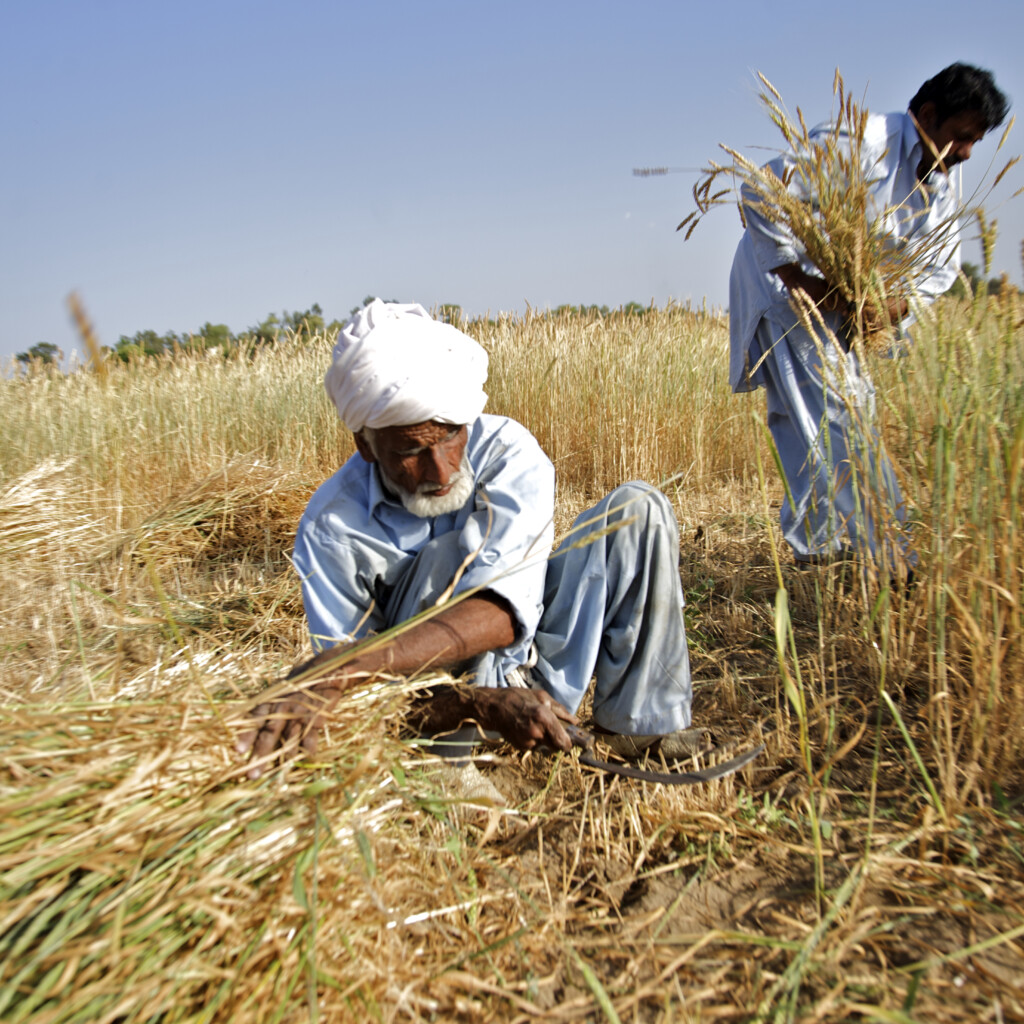
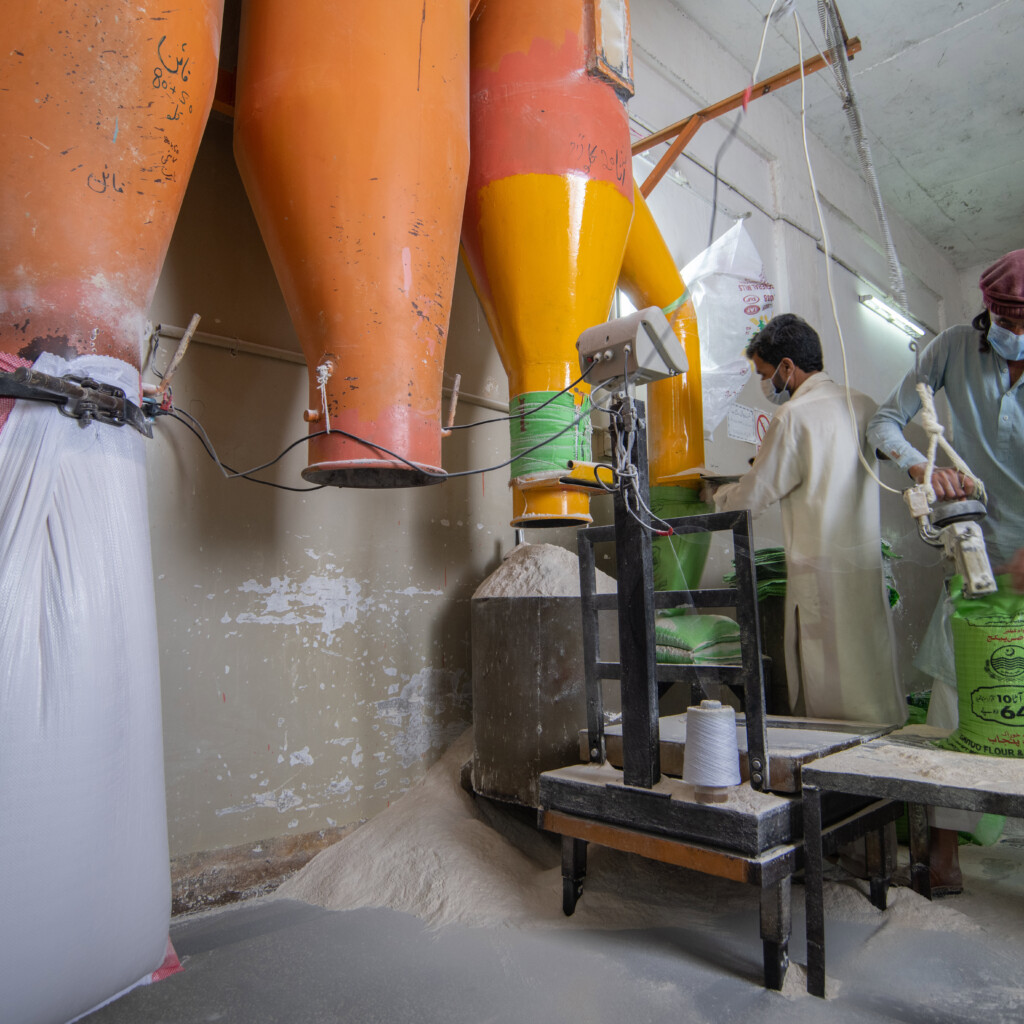
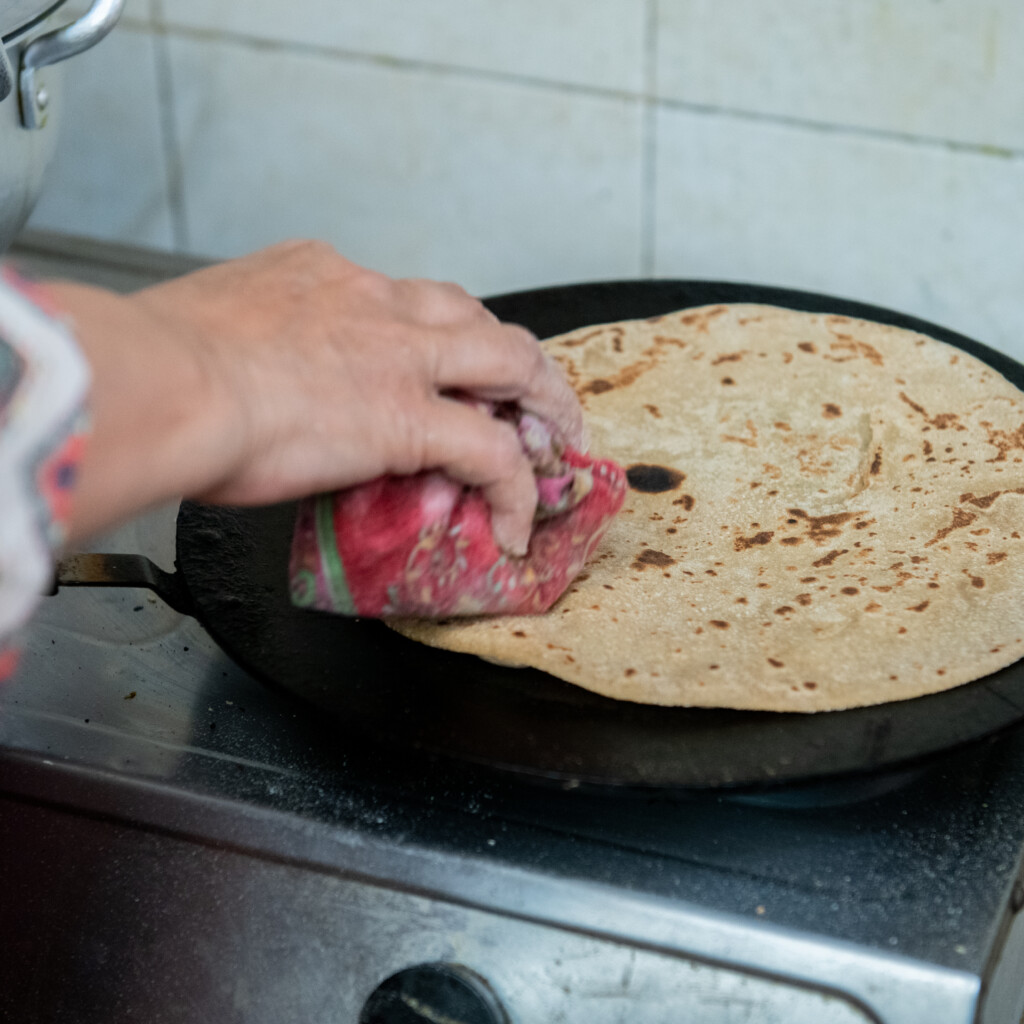
Nutrition International a mis en œuvre des programmes d’enrichissement alimentaire à grande échelle (EAGÉ) dans neuf pays d’Afrique et d’Asie. Ces programmes soutiennent l’enrichissement d’aliments, tels que la farine de blé, la farine de maïs, le riz, l’huile de cuisson et les condiments, en fonction des besoins particuliers de chaque pays. Ces nutriments comprennent entre autres le fer, l’acide folique, les vitamines B (telles que la thiamine, la riboflavine et la niacine), le zinc, la vitamine A et l’iode.
Nous travaillons avec les gouvernements, l’industrie, la société civile et les partenaires de développement pour renforcer les structures qui régissent l’enrichissement. Il peut s’agir de mettre à jour les politiques, le cadre législatif et les normes, d’améliorer la surveillance réglementaire ou de renforcer les capacités des producteurs à fournir des aliments adéquatement enrichis. Nous sollicitons à la fois le marché commercial et les programmes de protection sociale afin d’atteindre les populations qui en ont le plus besoin.
L’année dernière, nous avons fait progresser les programmes EAGÉ dans plusieurs pays. En Éthiopie, en Inde et au Pakistan, nous avons fourni une assistance technique pour soutenir le déploiement de plateformes numériques nationales qui suivent la production d’aliments enrichis et nous avons formé les acteurs gouvernementaux et industriels à leur utilisation. Au Sénégal, nous avons misé sur la réglementation, son application et sur le contrôle de la qualité pour renforcer leur programme d’iodation du sel, tandis qu’au Kenya, nous avons collaboré avec le ministère de la Santé pour concevoir un système intégré de salubrité alimentaire et de surveillance.
En Indonésie, nous avons joué un rôle important dans l’élaboration de la norme nationale pour l’enrichissement des grains de riz. Effort dirigé par l’Agence nationale des aliments, nous avons apporté notre expertise technique tout au long du processus. Cette étape importante ouvre la voie à l’amélioration de la capacité des producteurs, à l’harmonisation des mécanismes d’approvisionnement et à l’ajout du riz enrichi dans les programmes publics.
Nutrition International poursuit également ses efforts pour développer l’iodation universelle du sel (IUS). Nous aidons les micros et petits transformateurs à améliorer leurs pratiques d’iodation. De plus, nous revendiquons l’ajout du sel iodé dans les programmes nationaux d’enrichissement (EAGÉ) afin d’éliminer les troubles liés à la carence en iode. En Tanzanie, par exemple, notre soutien technique et notre plaidoyer ont contribué à l’adoption du Règlement de 2024 sur l’enrichissement obligatoire des aliments, qui consolide et améliore les règlements existants pour la farine de maïs, la farine de blé, l’huile alimentaire et le sel iodé.
Au niveau mondial, nous avons collaboré avec l’Organisation mondiale de la Santé et l’Organisation des Nations unies pour l’Alimentation et l’Agriculture afin de mettre à jour les Directives de 2006 sur l’enrichissement des aliments en micronutriments, dont la publication est prévue en 2025. Nous avons également achevé la seconde étape de notre projet avec la Harvard T.H. Chan School of Public Health qui visait à évaluer l’impact intergénérationnel de l’EAGÉ sur les maladies non transmissibles dans les pays à revenu faible et intermédiaire. Cette collaboration comprend également la conception d’un nouvel outil de modélisation qui permet d’estimer le nombre de vies sauvées et la réduction de la charge de morbidité grâce à l’enrichissement à grande échelle.
De concert avec la Fondation Gates, nous avons rassemblé un groupe de chercheurs mondiaux spécialistes du sel pour qu’il mène des recherches sur le sel doublement enrichi en iode et en acide folique en Éthiopie. Forts des résultats prometteurs de l’essai clinique aléatoire, nous nous préparons actuellement à amorcer une phase pilote et introduire le produit sur le marché avant de le déployer à l’échelle nationale.
Grâce à nos efforts, plus de 242 millions de personnes, dont 58 millions de femmes âgées de 15 à 49 ans, ont bénéficié d’un meilleur accès à des aliments enrichis, ce qui a permis d’éviter environ 8,6 millions de cas d’anémie. De plus, quelque 516 millions de personnes, dont 124 millions de femmes âgées de 15 à 49 ans, ont eu accès à du sel suffisamment iodé, ce qui a permis d’éviter plus de 240 000 cas de déficience intellectuelle chez les enfants et de protéger 10,8 millions de nouveau-nés contre les troubles liés à la carence en iode.